Dumpster Rental Brooklyn | Commercial Dumpster Options
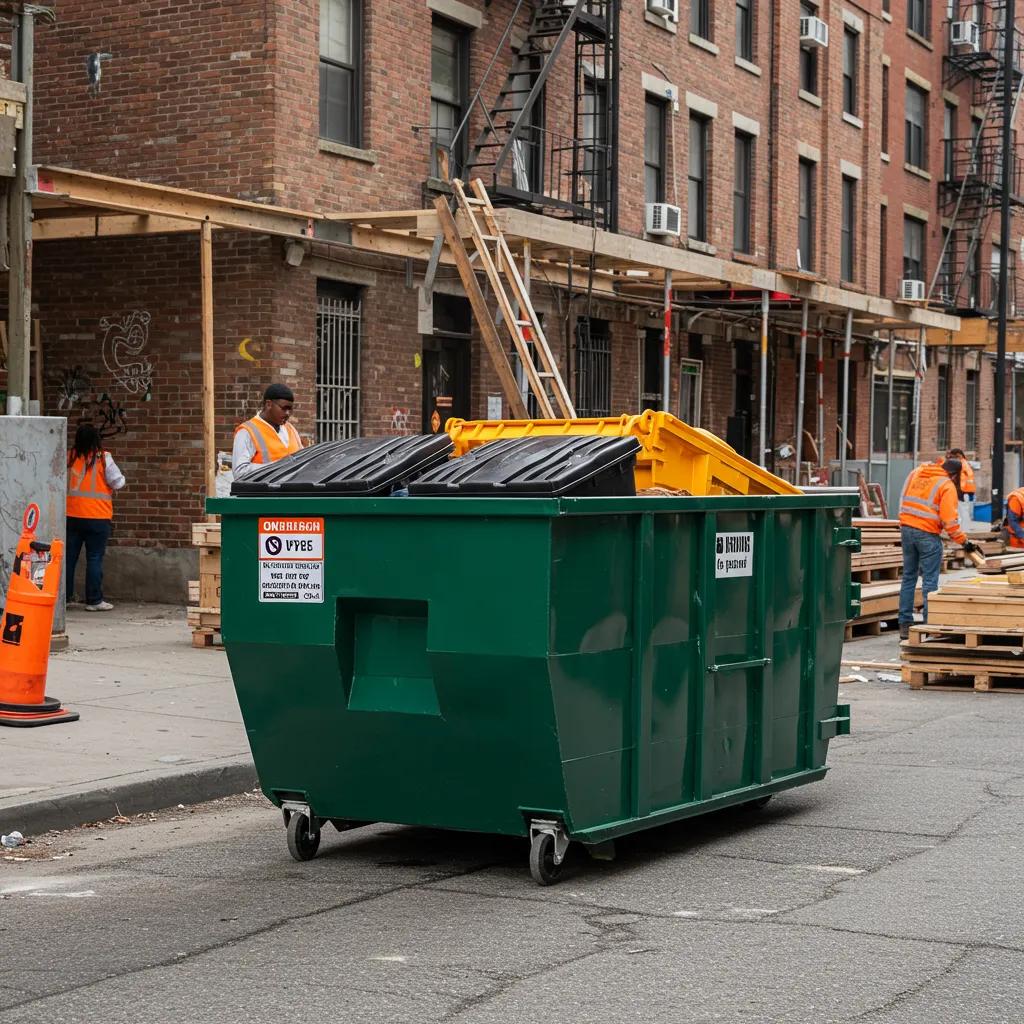
Commercial Dumpster Rental Brooklyn: Understanding Your Options for Sizes, Costs, and Services
Commercial dumpsters are large waste containers designed to handle high-volume, non-household waste streams for construction sites, retail and office cleanouts, restaurants, and other business operations in Brooklyn. This guide explains what commercial dumpsters are, how to choose the right size, which cost factors to expect, and what local rules and permits may apply, so your project stays on schedule and compliant. Many businesses face delays and surprise fees because they underestimate capacity needs or mismanage permits; this article offers practical methods to estimate volume, compare sizes, and prepare permit documentation. You’ll also find a clear breakdown of pricing drivers, an overview of accepted versus prohibited materials, and step-by-step guidance for requesting a quote or consultation. Throughout, the content uses Brooklyn-specific context—including commercial waste zones and DSNY permit scenarios—and practical recommendations for common commercial projects like roof replacements, retail fit-outs, and restaurant renovations. By the end, you’ll be able to select a dumpster size, anticipate likely costs, and know when to engage a local provider for delivery, pickup, or a permanent installation.
What Are Commercial Dumpsters and Why Are They Essential for Brooklyn Businesses?
Commercial dumpsters are purpose-built waste containers offered by dumpster rental services and waste management companies to handle larger and more varied commercial waste streams than residential bins. They work by providing on-site consolidation of debris and refuse, reducing the need for repeated truck trips and lowering handling time for crews, which improves operational efficiency and safety. For Brooklyn businesses, commercial dumpsters are essential because they support compliance with local disposal rules, enable predictable scheduling for construction and renovation projects, and help maintain safe, clean job sites that reduce on-site hazards. Next, we’ll define common dumpster types and explain when each type suits a specific business need, which helps you match container selection to project scale and site constraints.
What Defines a Commercial Dumpster and Its Common Types?
A commercial dumpster is typically larger, built for frequent loading by crews or heavy equipment, and available as roll-off, front-load, or permanent bins for ongoing service. Roll-off dumpsters (often called roll-offs) are open-top trailers dropped at a site and picked up when full, making them ideal for construction debris and short-term projects. Front-load dumpsters are smaller, designed for routine collections at businesses with regular trash volumes, and are suitable for alleys and service areas. Permanent bins are installed for ongoing service at grocery stores, apartment buildings, or large retail operations; they often pair with scheduled pickups and may require special placement or enclosures. Understanding these types helps you pick the right containment and service cadence for disposal needs.
Why Do Brooklyn Businesses Need Commercial Dumpsters?
Brooklyn businesses need commercial dumpsters to manage high-volume waste streams from renovations, ongoing retail operations, restaurant waste, and construction sites without disrupting customer access or worker safety. Dumpsters reduce labor by centralizing disposal and minimizing repetitive trips to transfer stations, and they help meet regulatory expectations for commercial waste handling. For example, a restaurant remodel that generates mixed demolition debris benefits from a roll-off to keep the alley clear and comply with local routing rules. Choosing the right container in advance prevents project downtime due to overfilled bins or permit delays, and it streamlines coordination with contractors and landlords.
How Does Commercial Dumpster Rental Improve Waste Management Efficiency?
Renting a commercial dumpster improves efficiency by delivering the right container to the site on schedule, consolidating waste in one location, and enabling predictable pickup and disposal, which reduces crew downtime. Well-managed rentals allow crews to focus on core tasks like construction or fit-out rather than waste hauling logistics, and scheduled pickups prevent overfill and neighborhood complaints. Using the appropriate dumpster size and rental duration minimizes the total number of hauls and can lower disposal costs per ton by avoiding repeated trips. Clear coordination between the business, hauler, and, where needed, permit authorities further streamlines operations and reduces the risk of fines or delays.
How Do You Choose the Right Commercial Dumpster Size in Brooklyn?
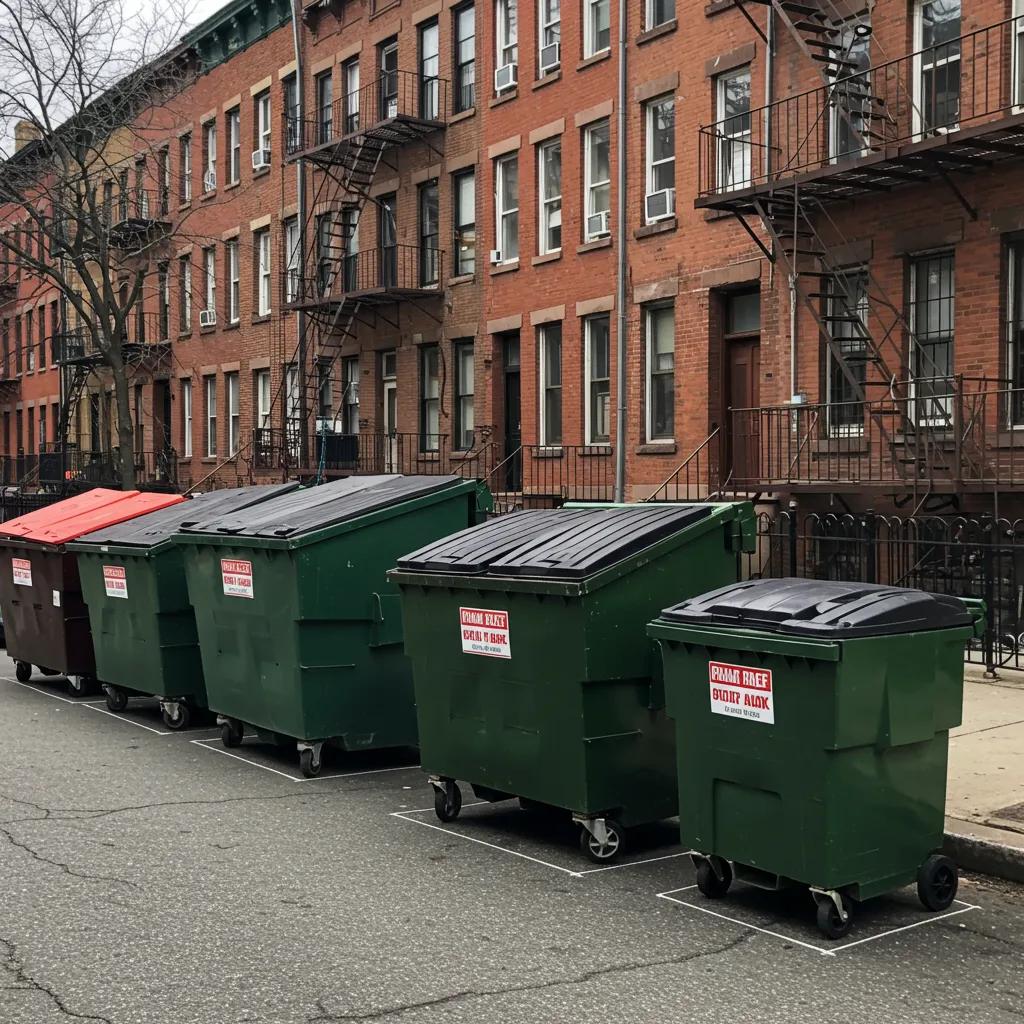
Choosing the correct dumpster size starts by estimating the volume and type of waste your project will generate, understanding site access and placement constraints, and then matching that estimate to available commercial roll-off dumpster sizes. Key considerations include the project duration, whether materials are bulky (e.g., roofing shingles, timber) or compactable (e.g., drywall), and whether the dumpster must sit on a public street or private property. Estimating truckload equivalents or using simple volume calculations helps avoid undersizing; a conservative approach is preferable when timelines are tight.
Different commercial dumpster sizes and their typical applications are summarized below for easy comparison.
This table clarifies how cubic yard capacity and external dimensions influence placement and project suitability. Use these guidelines to narrow choices, then adjust for bulky materials and local placement rules before ordering.
What Are the Available Brooklyn Commercial Dumpster Sizes and Their Dimensions?
Brooklyn providers typically offer 10-, 20-, 25-, 30-, and 40-yard commercial dumpsters, each with tradeoffs in height and footprint that affect placement and loading ease. The most common commercial sizes for projects in Brooklyn are 20- and 30-yard containers because they balance capacity and street footprint effectively for roof replacements and interior renovations. Taller units hold more volume but may be harder to load manually, while shorter units fit better under low clearances or inside alleys. Measure available space, consider any required curb or street permits, and choose a size that keeps the dumpster from blocking access or violating lease or municipal placement conditions.
Which Dumpster Size Is Best for Different Commercial Projects?
Matching project types to dumpster sizes reduces overage fees and scheduling disruptions: small retail or office cleanouts often fit within 10- or 20-yard containers, while full-store renovations and roof replacements frequently require 30-yard units, and large demolition projects may need 40-yard roll-offs. Consider anticipated weight: concrete, brick, and tile take up less cubic space but add weight quickly, which can trigger per-ton charges or overweight fees. If in doubt, choose the next size up for projects with mixed heavy and bulky debris, or schedule an interim pickup for long-running jobs to avoid overweight penalties.
What Are Mini Commercial Dumpsters and When Are They Suitable?
Mini commercial dumpsters are compact containers designed for tight urban sites where space is limited, such as narrow alleys, small storefronts, or temporary staging areas. They deliver convenience for businesses with limited frontage but still require more frequent pickups to avoid overflow, which can increase operational costs relative to larger containers. Mini dumpsters are ideal for short-term retail cleanouts, small café remodels, or as interim solutions during phased renovations. When site access is constrained, review placement options with your hauler to confirm safe delivery and pickup without damaging curbs or blocking emergency access.
How to Compare Dumpster Sizes: Capacity, Dimensions, and Waste Volume?
To compare sizes, calculate estimated waste volume in cubic feet or truckload equivalents, then map that estimate to container cubic yards while adjusting for bulky versus compactable material and anticipated compaction. A practical method is to tally likely materials (drywall, timber, roofing, general trash), assign conservative volumes, and sum to a projected cubic yard total; add a buffer for unexpected debris. Also assess height and footprint restrictions at the site: a 40-yard container may not fit where a 20- or 30-yard will. Performing this check before ordering reduces change orders and ensures the container selected supports the project schedule.
What Factors Affect the Cost to Rent a Commercial Dumpster in Brooklyn?

Commercial dumpster rental pricing reflects multiple components: container size, rental duration, the weight and type of waste, permit or street-placement fees, and any location-specific surcharges. Each component can meaningfully affect the final quote; for instance, a larger container increases base rental and haul fees, while heavy material adds per-ton charges. Local commercial waste zone rules and permit requirements may add administrative or placement costs. Getting an accurate quote requires providing detailed project information and requesting a breakdown that separates the base rental, disposal (per-ton) fees, permit costs, and potential surcharges.
Commercial rental pricing relies on several distinct factors:
- Container Size and Base Rental: Larger containers have higher flat rental and haul fees.
- Weight/Disposal Fees: Heavy waste may be charged per ton at the disposal facility.
- Rental Duration & Extra Days: Longer rentals may increase fees or incur daily extension charges.
- Permits & Placement Fees: Street placement often requires permits with associated costs or processing time.
What Are the Key Pricing Factors for Commercial Dumpster Rentals?
Pricing factors include the base rental tied to the dumpster size, disposal costs that vary by weight and waste type, permit or street-sitting fees, and extra charges for overfill, prohibited items, or extended rental times. Some providers offer flat-rate pricing for specific project types, while others separate the line items; knowing which model applies helps when comparing bids. Negotiation opportunities arise when a provider can consolidate multiple site deliveries or offer flexible scheduling to avoid peak disposal rates. Always ask for written clarification on overweight thresholds, prohibited materials, and chargeable extras before signing a rental agreement.
How Does Brooklyn’s Commercial Waste Zone Regulation Impact Rental Costs?
Brooklyn’s commercial waste zone structure can affect which carriers are authorized to collect in a given area, which in turn influences pricing and availability for commercial dumpster services. Zone-assigned carriers may control pricing within their service area, and businesses should confirm whether a chosen hauler operates in their specific commercial waste zone. Zone rules can also dictate required collection frequencies and disposal destinations, both of which can change disposal costs. Checking zone authorization and collection rules before contracting helps avoid last-minute carrier substitutions or noncompliance penalties.
How Can Businesses Get Accurate Quotes for Commercial Dumpster Rental?
To get accurate quotes, provide the hauler with project details: expected waste types and volumes, exact address and placement location (street vs private property), desired rental window, and whether heavy materials like concrete or brick are present. Include photos of the site and any access limitations so the provider can plan safe delivery and lift configurations, and request an itemized estimate that separates base rental, disposal fees, permit costs, and potential surcharges. For larger or complex jobs, request a site visit so the hauler can verify access, weight-bearing capacity of placement surfaces, and permit needs.
What Are the NYC Commercial Waste Regulations and Permit Requirements for Dumpsters in Brooklyn?
NYC commercial waste regulations distinguish between private-property placements and street placements and impose permit requirements, prohibited material rules, and procedural steps for lawful dumpster placement. Public street placement almost always triggers a permit, while private-property placements generally avoid DSNY permits but may require landlord or local building approval. Understanding these distinctions, along with the types of waste that require special handling, helps businesses plan compliant disposal and avoid fines. Next, we’ll explain when permits are needed, how to apply, typical prohibited items, and the practical effects of commercial waste zones.
When Is a Permit Required for Commercial Dumpster Placement in Brooklyn?
A permit is typically required when a dumpster will occupy public street space or a curb lane; private-property placements do not usually require DSNY permits but may need landlord permission and adherence to local building codes. Street permits include conditions for placement duration, protective measures (e.g., traffic protection), and scheduled pickup windows to minimize neighborhood disruption. For short-term construction or renovation projects that place containers on the sidewalk or curb lane, securing the appropriate permit in advance reduces risk of citations and forced relocation. Confirm permit rules early to align project timelines with processing windows.
How to Apply for a Commercial Dumpster Permit in Brooklyn?
Applying for a commercial dumpster permit involves documenting exact placement coordinates, project dates, and safety measures, and submitting required forms to the appropriate municipal office; supporting materials like site photos and exact measurements speed processing. Typical applications require contact and contractor information, proposed dates and times for placement, and evidence of insurance or liability coverage when requested. Processing timelines vary with local workload, so submit permit requests well before the planned delivery date; include contingency scheduling in project plans to account for permit approval windows. Working with a local hauler that understands permit procedures can expedite the process.
What Items Are Prohibited in Commercial Dumpsters According to NYC Rules?
NYC rules and disposal site requirements prohibit certain hazardous materials and regulated wastes from being placed in standard commercial dumpsters; examples include hazardous chemicals, certain electronics, batteries, and items requiring special recycling or hazardous-waste processing. For such materials, businesses must use designated hazardous waste facilities or specialized haulers that accept regulated streams. Improper disposal can lead to fines and cleanup liabilities, so segregate prohibited items from general construction or commercial waste and document appropriate disposal channels. When uncertain, consult with your hauler or local regulatory guidance to identify permissible streams.
How Do NYC Commercial Waste Zones Affect Dumpster Rental Services?
Commercial waste zones assign collection responsibilities to authorized haulers, which can limit provider choice for businesses in a given zone and affect pricing and scheduling flexibility. Zones aim to streamline collection and improve recycling outcomes, but they can require businesses to verify that a chosen provider is authorized to operate in their area. Confirming zone assignments and carrier authorization ahead of time prevents last-minute issues and ensures the hauler can legally deliver, collect, and transport commercial waste from the site.
What Types of Commercial Waste Can You Dispose of with Brooklyn Commercial Dumpsters?
Commercial dumpsters are intended for non-hazardous commercial waste streams such as construction and demolition debris, non-regulated retail or office trash, and bulk cleanout materials; each waste type may require specific handling based on weight and recycling rules. Some heavy materials, like concrete or masonry, may need separate handling or manifesting depending on disposal rules and weight considerations. Proper classification of waste streams before ordering a container helps avoid prohibited-load issues and unexpected disposal charges. Below, we’ll list commonly accepted materials and commonly prohibited items with alternatives.
Which Commercial Waste Types Are Accepted in Brooklyn Dumpsters?
Accepted waste types in commercial dumpsters typically include general construction and demolition debris (wood, drywall, metal framing), non-hazardous office and retail cleanout items (furniture, cardboard), and mixed debris from renovations where hazardous materials are not involved. Some materials require special handling—metal and clean concrete may be diverted for recycling, while tiles and heavy masonry increase weight charges. Sorting recyclable streams where practical reduces disposal costs and supports sustainability goals. Coordinate with your hauler about recycling options and whether separation on-site or at the facility is required.
What Are Commonly Prohibited Items in Commercial Dumpster Rentals?
Prohibited items commonly include hazardous wastes, certain electronics, batteries, medical waste, and regulated chemicals that require specialized disposal processes and manifests. When prohibited materials are present, businesses should arrange for disposal at licensed hazardous-waste facilities or through specialized contractors that handle those streams. Improper disposal into a general dumpster can lead to fines and contamination liabilities, so maintain good inventory control during demolition and renovations to isolate regulated items prior to disposal. Your hauler can advise on appropriate alternatives and routing for regulated streams.
How Does Brooklyn Dumpster Rental Provide an Advantage for Commercial Dumpster Services?
Brooklyn Dumpster Rental offers local expertise tailored to Brooklyn commercial projects and delivers services that address common pain points: quick delivery and pickup to keep projects on schedule, competitive pricing and flexible rental durations to match variable timelines, and expert size-selection advice informed by practical project experience. The company focuses on serving residential and commercial clients throughout Brooklyn and nearby neighborhoods, supplying sizes from compact mini containers to large roll-off units and offering permanent installations and junk removal services. For businesses seeking responsive local support, Brooklyn Dumpster Rental positions itself as a practical partner for planning, permitting, and on-site logistics.
What Are the Unique Benefits of Choosing Brooklyn Dumpster Rental?
Brooklyn Dumpster Rental emphasizes fast delivery and pickup that reduce project downtime, competitive pricing structures that clarify base rental and disposal components, and flexible rental durations that adapt to phased renovations and unpredictable schedules. The company’s local knowledge helps in advising about placement constraints and municipal permit implications to avoid delays. These operational strengths translate into fewer disruptions, more predictable costs, and quicker project turnover for businesses that need dependable waste management coordination.
How Does 35 Years of Experience Enhance Dumpster Size Recommendations?
Practical experience leads to better estimation of volume and weight for common commercial projects, resulting in fewer size changes mid-project and reduced surprise charges. Experienced advisors can suggest the optimal container size based on project type—such as recommending 20- or 30-yard units for roof replacements or interior renovations—taking into account access, typical debris mixes, and expected rental duration. This historical project knowledge shortens planning time and helps teams avoid costly upsizing after a dumpster fills faster than expected.
What Commercial Dumpster Sizes and Services Does Brooklyn Dumpster Rental Offer?
Brooklyn Dumpster Rental provides a range of container sizes commonly used by commercial customers, including 10-, 20-, 25-, 30-, and 40-yard dumpsters, and supports both short-term rentals and permanent dumpster installations. Additional services include junk removal for non-hazardous bulk items and consultative advice on size selection and placement logistics. These options enable businesses to select an appropriate container for small retail cleanouts up to major construction projects while relying on local service responsiveness.
How Can Brooklyn Businesses Request a Commercial Dumpster Rental Quote or Consultation?
Requesting a quote begins with gathering project details—expected waste types and volumes, preferred rental dates, placement coordinates (public street or private property), and any site photos—so providers can offer accurate, itemized estimates. Businesses should ask for a breakdown that separates base rental fees, disposal/weight charges, permit costs, and any potential surcharges. For larger or complex jobs, request a site visit so the hauler can verify access, weight-bearing capacity of placement surfaces, and permit needs.
What Is the Process to Request a Quote for Commercial Dumpster Rental?
Follow a simple quote checklist: describe your project type and duration, estimate waste types and volumes, indicate exact placement location and access constraints, and provide photos if available; then request an itemized estimate and ask whether the hauler will handle permit coordination if street placement is required. This checklist reduces ambiguity and helps the provider anticipate weight issues or need for traffic protections. For projects with mixed waste or heavy materials, arrange an on-site assessment to finalize container sizing and logistics.
How Can Businesses Get Expert Advice on Dumpster Size and Waste Management?
Businesses can get expert guidance via phone consultation or an on-site visit; experts will assess material types, expected volumes, access, and local permit requirements to recommend a size and rental duration that minimizes total cost and service interruptions. Phone consultations work for straightforward jobs with clear photos and measurements, while on-site assessments are recommended for large renovations, roof replacements, or projects with complex access. Expect experts to ask about bulky materials, compaction options, and scheduling preferences as part of sizing recommendations.
Where to Find Brooklyn Dumpster Rental Contact Information and Service Areas?
Brooklyn Dumpster Rental provides information about services and service areas on its company resources and serves Brooklyn and nearby neighborhoods, operating from a local Brooklyn office address to support prompt delivery and local permitting conversations. Their physical address is listed as 2728 KINGS HIGHWAY, Ste E18 BROOKLYN, NY 11229, which aids in verifying local service coverage and handling any site-specific logistics. For a quote or consultation, prepare the project checklist above and request an itemized estimate that clarifies container size, rental period, disposal fees, and any permit coordination.
Key items to include in a quote request:
- Project address and placement location: Exact spot and whether the dumpster will sit on public street or private property.
- Estimated start and end dates: Rental window and flexibility for pickups.
- Waste types and expected volumes: Note heavy materials like concrete or brick.
- Site photos and access notes: Any alley, overhang, or clearance constraints.
These steps ensure faster, more accurate quotes and reduce the potential for unexpected charges or permit delays.
NYC Commercial vs. Residential Waste Management: An Analysis
New York City is unique in that its solid waste management system is rigidly split: residential trash is managed by the city; commercial trash is managed by private businesses. This thesis explores how New York City’s public and private solid waste management systems complicate these initial intuitions through a welfare analysis. Price, wage, and operating efficiency are used to measure consumer, employee, and employer welfare respectively. New York City’s private refuse collection industry is characterized by weak unions, systemic bloat, and poor safety standards. Furthermore, they offer higher prices, lower wages, and are less efficient in comparison to their
Wasted Intuitions: New York City’s Solid Waste Management System and the Ambiguous Effects of Traditional Collective Good Provision Analysis, 2022
Frequently Asked Questions
Using commercial dumpsters can really boost environmental sustainability by promoting proper waste segregation and recycling. Many dumpster rental services offer recycling options for materials like metal, concrete, and cardboard, which helps divert waste from landfills. By consolidating waste in a single container, businesses can cut down on the trips needed for disposal, lowering carbon emissions associated with transportation. Additionally, responsible waste management practices contribute to cleaner urban environments and support local recycling initiatives, fostering a more sustainable community in Brooklyn.
To ensure compliance with local waste regulations, businesses should get familiar with NYC’s commercial waste rules, including permit requirements and prohibited materials. Engaging with a knowledgeable dumpster rental provider can help clarify these regulations and ensure that all necessary permits are obtained for street placements. Additionally, businesses should maintain clear documentation of waste types and disposal methods to avoid fines. Regular training for staff on proper waste disposal practices can also boost compliance and promote a culture of environmental responsibility within your organization.
If you encounter hazardous waste, you must not place it in standard commercial dumpsters. Instead, they should contact specialized waste disposal services that are licensed to handle hazardous materials. This includes items like batteries, chemicals, and certain electronics. Proper disposal is crucial to avoid legal penalties and environmental harm. You should also educate your employees about identifying hazardous waste and establish protocols for its safe handling and disposal, ensuring compliance with local regulations and protecting public health.
Yes, you can rent dumpsters for short-term projects, such as renovations or cleanouts. Many dumpster rental companies offer flexible rental durations, allowing you to choose a timeframe that suits your project needs. Short-term rentals are ideal for managing waste generated during specific tasks without committing to long-term contracts. When requesting a quote, you should specify the project duration and expected waste volume to ensure you receive the appropriate container size and rental terms that align with your timeline.
Common mistakes businesses make when renting dumpsters include underestimating the size you need, failing to account for weight limits, and neglecting to secure necessary permits. Underestimating size can lead to overfilled containers and additional fees, while exceeding weight limits can incur hefty charges. Additionally, not obtaining the proper permits for street placements can result in fines and project delays. To avoid these pitfalls, you should conduct thorough assessments of your waste needs, consult with rental providers, and ensure all regulatory requirements are met before the rental period begins.
You can optimize your waste management processes by implementing a waste reduction strategy that includes regular audits of waste streams, employee training on recycling practices, and using the right dumpster sizes. Additionally, partnering with a reliable dumpster rental service that offers tailored solutions and expert advice can streamline operations, cut costs, and boost overall waste management efficiency, contributing to a more sustainable business model.
Conclusion
Understanding the nuances of commercial dumpster rental in Brooklyn empowers you to make informed decisions that boost waste management efficiency and compliance. By selecting the right dumpster size and anticipating costs, you can streamline your operations and avoid unexpected fees. Engaging with local providers like Brooklyn Dumpster Rental ensures tailored support and expert guidance throughout the rental process. Request a quote today to discover how we can assist you in managing your commercial waste effectively.