Comparing Dumpster Sizes for Your Renovation Needs
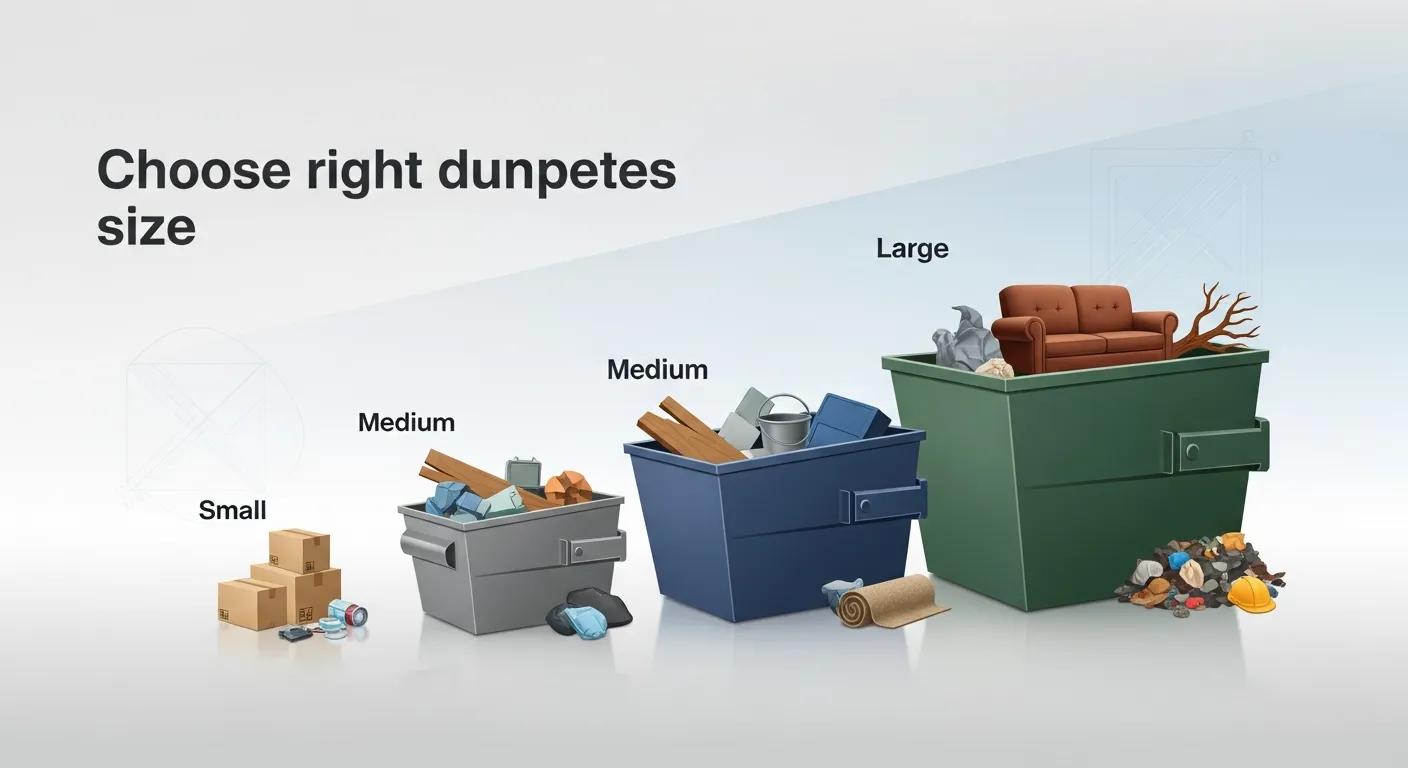
Choose the Right Dumpster Size for Your Renovation
Renovation waste is measured in cubic yards — one cubic yard equals a three-foot cube. Roll-off dumpsters are listed by cubic yards so you can match container capacity to your project’s debris and plan with confidence. This guide breaks down how to translate room-by-room estimates, contractor input, and material types into the right dumpster choice so you save time, avoid surprise fees, and keep the job site safe. You’ll find common dumpster dimensions, easy estimation tricks (including pickup-truckload equivalents), project-by-project recommendations for Brooklyn homes, and how local rules affect placement and permits. We also explain cost drivers — size, weight, rental time, and debris type — with sample budgets for bathroom, kitchen, and whole-house jobs. Practical tips for placement, loading, and scheduling are at the end, plus guidance on when to pick full-service junk removal instead of a rental. Throughout, we use clear language so you can quickly find the sizing and planning advice you need.
Common dumpster sizes used for home renovations
Residential and light-construction roll-off dumpsters usually come in 10, 20, 30, and 40 cubic yards. Each size balances footprint and volume for different job scopes: small cleanouts and bathroom demos fit smaller units while major additions or demolitions often need the larger containers for both space and heavy material. Knowing standard dimensions, pickup-truckload equivalents, and typical weight limits helps you pick a unit that fits your driveway or curb and avoids weight overages. The table below summarizes dimensions, capacity, and truckload equivalents so you can quickly compare options. Read the H3 sections that follow for dimension notes and the differences between residential and construction use.
Dimensions and capacities of 10, 20, 30, and 40-yard dumpsters
A 10-yard roll-off is usually about 12′ long × 8′ wide × 3.5′ high and holds roughly 10 cubic yards — about three pickup-truck loads — making it easy to place in a tight driveway. A 20-yard unit commonly measures 22′ × 8′ × 4′ and holds roughly 20 cubic yards (five to six truckloads), suitable for mid-size remodels. A 30-yard container often runs 22′ × 8′ × 6′ with about 30 cubic yards (8–10 truckloads). A 40-yard unit typically spans 22–24′ × 8′ × 7–8′ for around 40 cubic yards (12+ truckloads). Weight limits vary by provider and material density — insulation packs differently than concrete — and heavy loads can trigger tonnage surcharges or require heavier-rated equipment. Use these dimensions to plan placement and truck access for safe delivery and pickup.
Use this quick reference to picture how much each unit holds and whether a driveway or curb placement will work for your job.
Which sizes suit residential, commercial, and construction waste?
Residential work usually produces lighter, bulkier waste — drywall, wood framing, cabinets — so 10- or 20-yard units are common. Commercial and heavy construction often generate dense materials that use up weight capacity faster. For homes: 10-yard dumpsters fit small demos and decluttering; 20-yard units handle kitchen remodels and many roofing jobs; 30-yard containers are good for large remodels or multi-room gut jobs. For heavy demo and construction, 30- or 40-yard units are typical because concrete, tile, and shingles are dense and can hit weight limits before volume. When unsure, size up for heavy materials or split loads to separate dense debris and avoid overage fees.
- Residential projects often use:
10-yard: small demos and cleanouts20-yard: kitchen remodels and single-story roofing30-yard: multi-room remodels or major interior demolition
This framework helps you assess your debris mix and pick the right size.
How to determine the right dumpster size for your renovation
Start by estimating debris volume by room or material type and convert those estimates into cubic yards, then adjust for material density and access limits. List demo items (cabinets, drywall, flooring, shingles), estimate pickup-truck equivalents for each, and total them up to pick a matching dumpster size. Account for heavy materials — concrete, brick, tile — which may need a larger unit for weight distribution or a separate heavy-debris container. For Brooklyn properties, consider driveway width, curb access, and permit rules when choosing size and placement; local providers can advise on driveway vs. curb placement. The H3 sections below explain debris classification and give simple estimation methods to translate your scope into cubic yards.
How debris type affects dumpster size selection
Material type affects both how much space debris takes and how much it weighs: light, bulky items like insulation and cardboard use volume but add little weight, while dense materials — concrete, tile, roofing shingles — quickly hit tonnage limits. Group waste into light (cardboard, wood scraps), medium (drywall, cabinets), and heavy (concrete, asphalt, soil) so you can tell whether volume or weight will be the constraint. Separating metal, concrete, and clean wood can lower disposal costs and let you use capacity more efficiently. Always tell your rental provider what you’re throwing away so they can recommend the right container rating and avoid surprises.
Estimating debris for common renovation scopes
A practical rule uses pickup-truckload equivalents: count how many full truck beds your demo will generate, then match that to dumpster capacity — three truckloads ≈ 10 cu yd, five to six ≈ 20 cu yd, eight to ten ≈ 30 cu yd. Room-based guides: a gutted bathroom usually yields about 3–5 cubic yards; a kitchen remodel often produces 15–25 cubic yards depending on cabinetry and appliances; a full-house cleanout can exceed 30 cubic yards. Contractors can give on-site volume estimates that factor in compaction and odd-shaped items, so get a quick consult if you’re unsure. Add 10–20% contingency for unexpected material or extra framing to reduce the chance of a second pickup.
Quick estimation checklist:
- List demo items: Cabinets, drywall, flooring, fixtures.
- Convert to truckloads: Tally estimated pickup-truck equivalents.
- Match to dumpster size: Use the table and add 10–20% contingency.
Once you’ve estimated, move on to the project-specific recommendations below to finalize the size choice.
Estimating Construction Debris with Material Flow Analysis
Contractors use material-flow guides like this to estimate how much waste a job will produce. Table 1 in the study lists average waste percentages for common construction materials.
Estimating construction and demolition debris generation using a materials flow analysis approach, KM Cochran, 2010
Recommended dumpster sizes for common Brooklyn renovation projects
Match a project’s debris profile and volume to a dumpster size, and factor in Brooklyn-specific placement constraints like narrow driveways and permit requirements. In rowhouse neighborhoods and narrow lots, the dumpster’s footprint may determine whether driveway placement is possible or whether you’ll need curb placement — which usually requires a permit. Below is a practical mapping of common projects to suggested dumpster sizes with short rationales. If you want local guidance, a Brooklyn provider can walk you through placement options for tight lots.
This mapping helps homeowners and contractors avoid common mistakes like under-sizing for dense materials.
When a 10-yard dumpster is the right call
A 10-yard dumpster works well when space is tight and debris is limited — single-bathroom gut jobs, small garage cleanouts, or carpet removal. Its shorter length and lower height make driveway placement easy. Bathroom projects usually put tile, vanity, and drywall scraps in a 10-yard unit without exceeding weight limits, as long as heavy tile is handled separately. In Brooklyn rowhouses, the smaller footprint also reduces the chance you’ll need a street permit, but always verify driveway clearance and slope. Common errors: underestimating bulky pieces like vanities or toilets — measure and leave a buffer to avoid a second pickup.
Why a 20-yard dumpster is popular for kitchens and roofs
The 20-yard is the go-to for mid-size renovations because it handles mixed debris — cabinets, flooring, countertops, moderate roofing waste — while still fitting most driveways. Kitchen remodels with cabinetry and appliances typically fill a 20-yard unit, and roofing contractors often choose 20-yard containers for single-family replacements or shorter jobs. The 20-yard strikes a good balance between capacity and footprint, keeping costs reasonable without frequent trips to the transfer station. If your kitchen demo includes major structural work or lots of tile, consider a 30-yard to avoid overflow and extra tonnage.
How dumpster size affects rental costs and pricing
Rental cost comes from several interacting factors: container size determines the base rate, weight sets disposal tonnage fees, rental duration affects time-based charges or overage penalties, and debris type can add special handling fees. A bigger dumpster lowers the risk of volume overage but raises base rental and delivery costs; multiple smaller pickups can add delivery and service fees. The table below explains key cost drivers and gives example impacts to help you budget. Local Brooklyn providers may include permit facilitation or residential delivery surcharges, so ask for an itemized quote. The H3 sections that follow break down cost drivers and show simple sample budgets for common renovation types.
Key cost drivers: size, weight, rental duration, debris type
Size sets the base price because it affects vehicle and space needs — a 10-yard unit usually carries a lower daily rate than a 30- or 40-yard. Weight is often billed per ton; concrete, brick, and soil add significant tonnage charges, so separating heavy materials or scheduling separate hauls can control costs. Rental duration matters because extending beyond the agreed window often triggers daily overage fees — coordinate delivery and pickup with project phases. Debris type affects special handling fees for items like hazardous materials, electronics, or appliances that require regulated disposal and extra charges.
- Primary cost drivers include:
Dumpster Size: Determines base rental and delivery costs.
Tonnage/Weight: Charged per ton for disposal, especially for dense materials.
Rental Duration: Day or week-based pricing and overage fees.
Debris Type: Special handling or prohibited items increase costs.
How to budget for dumpster rental during your renovation
Budget by matching project size to a recommended dumpster, estimating tonnage for heavy materials, and adding contingency for extra rental days and permits. Sample scenarios: a bathroom remodel in a 10-yard bin will usually have a low base rental and minimal tonnage fees; a kitchen remodel in a 20-yard bin carries a moderate base plus possible appliance disposal fees; a whole-house cleanout in a 30–40-yard bin has a higher base and larger tonnage charges. To avoid surprises, ask for a written, itemized quote listing base rental, delivery/pickup, tonnage rates, permit fees, and overage charges. For Brooklyn jobs, confirm driveway delivery feasibility and permit handling so local charges are included in the estimate.
- Budgeting tips:
Request itemized quotes to compare providers accurately.
Ask about tonnage limits and surcharges for heavy debris.
Schedule delivery/pickup tightly to avoid day-rate overages.
If you want on-site pricing or sizing help, a local Brooklyn dumpster provider can give tailored quotes that factor in size, weight, rental time, and debris type — call to confirm availability for 10-, 20-, 30-, or 40-yard roll-offs.
Local regulations and permits that affect dumpster rentals in Brooklyn
In Brooklyn and New York City, permits are usually required when a dumpster sits in the street, curb lane, or sidewalk area; driveway placement on private property typically doesn’t need a municipal permit. Knowing when a permit is necessary prevents fines and delays. Common permit triggers include units that extend into public right-of-way, block parking lanes, or require barricades and signage. Approval times vary, so plan several days to a week if you need a municipal permit. NYC rules also prohibit certain items — hazardous materials, some electronics, and regulated wastes — which need special handling. The H3 sections below explain permit triggers and list commonly prohibited items and alternatives for safe disposal in Brooklyn.
When you need a permit for dumpster placement in Brooklyn
You usually need a street-use or curb-lane permit when the dumpster occupies a public lane, sidewalk cutout, or parking spots. Driveway placement on private property normally avoids a municipal permit but may require homeowner, landlord, or HOA approval. Permit processing times vary, so factor them into your delivery schedule. To avoid fines or towing, confirm placement rules with local authorities before delivery and keep written permission for driveway placement if neighbors or property managers are involved.
Items commonly prohibited in dumpster rentals under NYC rules
Prohibited or regulated items commonly include asbestos-containing materials, petroleum products, large quantities of controlled chemicals, certain electronics, and appliances with refrigerants. These items require licensed, specialized handling and cannot go in standard roll-off dumpsters. Dumping prohibited items can lead to fines, pickup refusal, and extra removal costs. Instead, arrange for licensed hazardous-waste handlers or municipal collection programs. For questionable items like paint cans, batteries, or bulky electronics, check with your rental provider before loading so you can plan the right disposal route.
- What to do with prohibited items:
Contact licensed hazardous-waste handlers for regulated materials.Use municipal recycling programs for electronics and appliances.Segregate heavy or hazardous items before pickup to avoid rejection.
Knowing these rules up front helps you plan placement and separate waste for a smoother rental experience.
Best practices for planning and using a dumpster during your renovation
Good planning combines accurate volume estimates, safe placement, smart loading, and tight scheduling to match delivery and pickup to project phases. Prepare the site by clearing vehicles and obstacles, measuring driveway width and overhead clearance, and protecting surfaces with plywood or mats to prevent damage. When loading, put heavy, dense items on the bottom and spread weight evenly to avoid tipping or compaction. Don’t overfill past the container’s rim — that can block pickup. The H3 sections that follow cover placement checklists and when full-service junk removal is a better fit than a rental.
How to estimate debris volume and plan placement safely
Use truckload equivalents and room-based templates to estimate debris, then pick a dumpster size and placement plan that account for access and permits. For placement, measure driveway length and width, check for overhead obstructions (low branches, wires), and confirm the surface can handle the weight of the truck and container — use ground protection for soft or new surfaces. Loading-safety basics: distribute heavy items evenly, avoid climbing into the container, and use mechanical help for bulky pieces. Communicate placement and loading rules with contractors so the dumpster is used efficiently and safely throughout the project.
- Placement checklist:
Measure clearance: Driveway length, width, and overhead space.
Protect surfaces: Lay plywood or mats to prevent driveway damage.
Confirm access: Ensure truck can enter and exit without tight maneuvers.
Obtain permissions: Neighbors, HOA, or municipal permits as needed.
Doing this up front reduces damage risk and keeps the project on schedule.
When to choose junk removal instead of a dumpster
Opt for full-service junk removal when access is limited, you don’t have labor to load, or many items need special handling or sorting. Junk-removal teams bring the labor and can handle staircases, narrow alleys, and multi-story buildings where roll-off delivery isn’t possible. They’ll sort items for recycling or donation as needed. Dumpster rentals are usually cheaper when you can do the labor and have truck access. Many projects benefit from a hybrid approach: a dumpster for bulk debris and junk removal for heavy or regulated items. For Brooklyn projects that need on-site advice or combined services, contact your local provider to discuss scheduling and availability.
- Decision criteria for junk removal vs. dumpster:
Access: No truck access favors junk removal.
Labor: Limited on-site labor favors full-service removal.
Item mix: Many bulky or regulated items may be better handled by specialists.
Understanding these trade-offs helps you pick the most efficient, compliant, and cost-effective option for your renovation.
- Plan early: Book delivery several days before demo starts to secure the placement you want.
- Document permissions: Keep permit approvals or driveway permission on file for drivers.
- Segregate materials: Separate recyclables and heavy debris to control tonnage charges.
- Schedule pickups: Align pickup with project milestones to avoid extra rental days.
Following these best practices will keep your jobsite safer and your waste workflow smoother.
Frequently Asked Questions
Look for reputation, transparent pricing, and responsive customer service. Check reviews and confirm they offer the sizes you need and clear delivery/pickup windows. Make sure they explain weight limits, rental duration, and any extra fees up front. A good local company will also understand Brooklyn rules and help with permits when needed.
Start by learning local rules for dumpster placement and restricted materials. In Brooklyn, street placement typically needs a permit. Ask your rental provider for guidance and confirm any required permits before delivery. Avoid putting prohibited items in the dumpster — your provider can advise on acceptable disposal options.
If you come up short, call your rental company right away. They can often swap in a larger dumpster or schedule an extra pickup, though extra charges may apply. To prevent this, overestimate by 10–20% or get a quick on-site assessment from a professional before you start demolition.
Generally no — placing a dumpster in the street, curb lane, or on the sidewalk usually requires a permit in urban areas like Brooklyn. Driveway placement on private property usually avoids municipal permits, but check for HOA or landlord rules. Always verify with your rental provider and local authorities to avoid fines.
Load heavy items first and keep weight balanced to prevent tipping. Break down large items to save space and avoid overfilling past the rim to ensure pickup. Separate recyclables where possible and place dense materials low in the container. Never climb into the dumpster — use tools or mechanical help for heavy lifts.
Think recycling first: separate materials like metal, clean wood, and cardboard to reduce landfill volume. Avoid disposing of prohibited items that need special handling. Ask your rental company about recycling options or local facilities so you can minimize environmental impact during your project.
Clear the placement area of vehicles and obstacles, measure the space to ensure the dumpster fits, and protect surfaces with plywood or mats if needed. Check overhead clearance for low branches or wires and make sure the truck can enter and exit safely. Good prep makes delivery smooth and avoids delays.
Conclusion
Picking the right dumpster size makes renovation cleanup easier, safer, and less expensive. With the sizes, estimates, and planning tips in this guide, you can avoid overage fees and keep your project on track. If you’d like local help sizing a dumpster or getting a quote in Brooklyn, reach out — we’ll help match the right container to your job and handle permit questions so your project runs smoothly.