10 Yard Dumpster vs Larger Sizes
Choosing the Right Dumpster Size
A 10-yard dumpster is a compact roll-off container that holds about ten cubic yards of debris — a reliable pick for small residential jobs and light commercial work around Brooklyn. Picking the correct size matters: the right fit saves you money, cuts the risk of weight overages, and makes permits and placement easier on narrow city lots. Below we explain what “10 yard” means in dimensions and pickup-truck-loads, compare 10‑yard units to 20-, 30- and 40‑yard options, and show which projects each size suits best. You’ll also find a practical cost-and-weight guide for Brooklyn, step-by-step permit triggers for New York, placement tips, and a checklist to match container capacity to real-world debris from renovations, cleanouts, and construction. Read on for quick decision lists, local tips, and tables that help you avoid common surcharges.
What Are the Dimensions and Capacity of a 10 Yard Dumpster?
“10 yard” refers to volume — ten cubic yards — and usually comes in compact external sizes that work well in driveways and tight urban spaces. Those external dimensions determine where the container fits, the clearance you need, and how much it will actually accept. Practically, we convert cubic yards into pickup-truck equivalents and everyday measures so you can estimate needs fast. The section below lists typical dimension ranges and clarifies common weight limits and material restrictions that affect how quickly a 10‑yard box reaches its legal or contractual capacity. Knowing both footprint and pickup-truck equivalents reduces the risk of ordering a dumpster that’s too small or unnecessarily large for a Brooklyn job.
Note: “10 yard” can vary a bit by manufacturer and operator. Measure your placement area before booking, and plan extra clearance for the roll‑off truck on delivery and pickup.
What Are the Exact Dimensions of a 10 Yard Dumpster?
A typical 10‑yard roll-off usually ranges roughly 10–14 feet long, 7–8 feet wide, and 3.5–4.5 feet high. Operators vary by wall style and door design, and those small differences matter on narrow Brooklyn driveways or when you’re near stoops, retaining walls, or street parking. Some units come with lower heights or drop-down doors to make loading furniture and appliances easier — that can affect which jobs they’re best for. Always leave 2–3 extra feet beyond the container length for truck maneuvers and to meet local placement constraints.
Measure driveway width and any overhead obstructions (tree limbs, awnings), and check the delivery truck’s swing radius before scheduling.
Intro to table: The table below summarizes typical external sizes and practical capacity equivalents for a 10‑yard dumpster so you can translate cubic yards into everyday terms.
This table turns the 10‑yard volume into compact, usable measures and highlights why checking weight limits before you fill is a smart step.
How Much Waste Can a 10 Yard Dumpster Hold?
A 10‑yard dumpster holds about ten cubic yards of material, which commonly equates to roughly three to four pickup-truck loads or about 100–150 contractor trash bags, depending on packing density and material type. For example, a bathroom renovation will often fit in a 10‑yard container; a full kitchen or several rooms of demolition usually exceed it. Remember: dense materials — concrete, dirt, roofing shingles — can hit weight caps long before the box looks full, triggering overage fees or requiring a heavier-duty container. Estimate both volume and material density, and separate heavy materials where possible to avoid unexpected charges.
Translating your project into pickup-truck equivalents and flagging heavy-material portions helps keep sizing choices accurate and cost-effective.
How Does a 10 Yard Dumpster Compare to 20, 30, and 40 Yard Dumpsters?
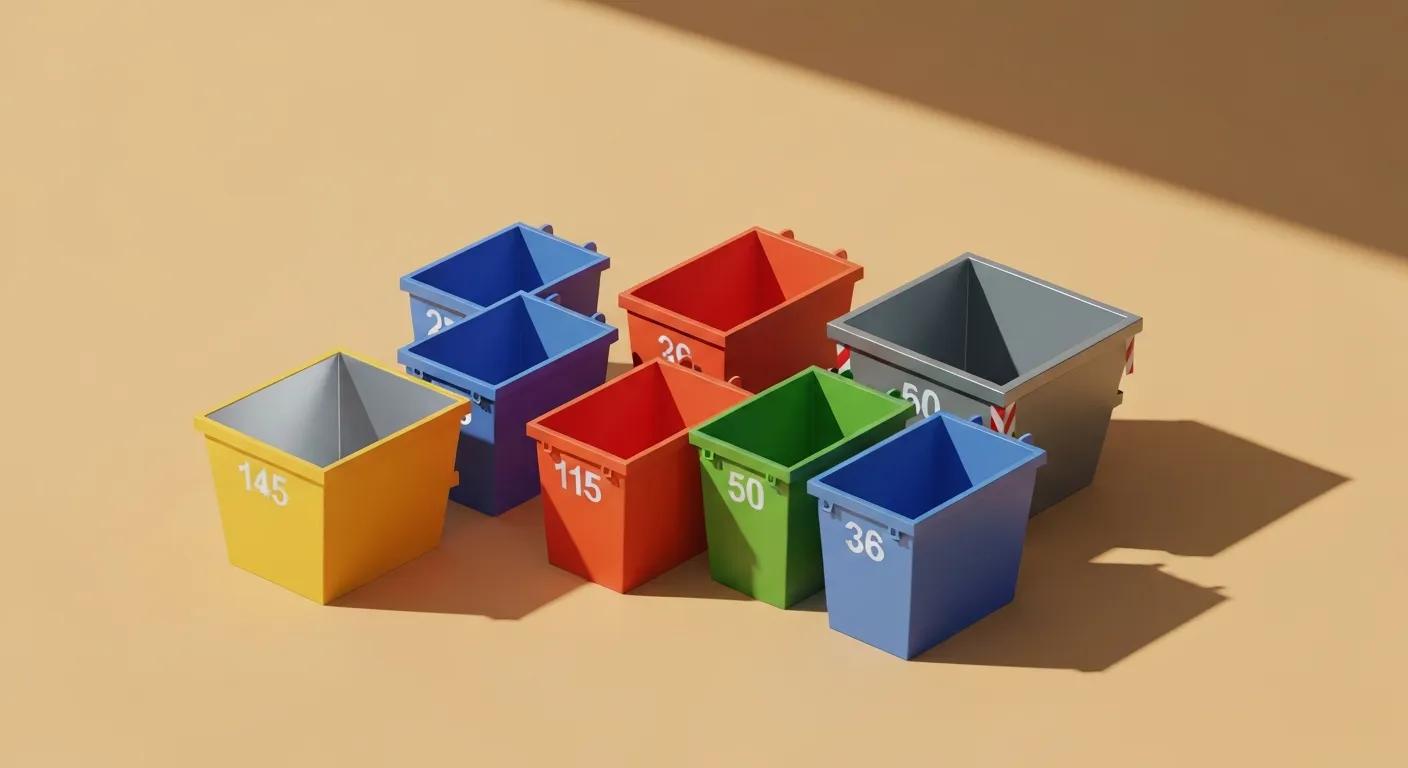
Comparing 10, 20, 30, and 40‑yard dumpsters lays out tradeoffs in footprint, capacity, and cost per cubic yard. Smaller units fit tighter urban sites; larger containers reduce handling for big jobs but need more placement room and often permits. Each size jump roughly doubles or adds sizable capacity, which affects how many drop‑offs you’ll need and total disposal fees. For Brooklyn projects, consider space limits, street access, and whether volume or weight should drive the choice. Larger units usually lower unit pricing but add permit complexity and placement challenges. The quick list below helps you decide when to upgrade from a 10‑yard.
In short: 10‑yard units are great for small residential work, 20‑yards for medium remodels, and 30–40‑yards for large demolitions or commercial sites where volume dominates.
- 10-yard: Best for small cleanouts and tight driveways.
- 20-yard: Good for medium remodels and larger cleanouts with more space.
- 30-yard: Used for larger renovations and small commercial jobs where volume is high.
- 40-yard: Suited for major demolitions and large construction sites with room to maneuver.
Intro to table: The EAV-style table that follows compares each roll-off size by core attributes, recommended projects, and practical Brooklyn notes to clarify choices.
This comparison shows how size choice balances physical fit, project scope, and Brooklyn-specific operational constraints.
What Are the Size and Capacity Differences Between 10 and 20 Yard Dumpsters?
A 20‑yard dumpster roughly doubles the volume of a 10‑yard unit and typically measures about 20–22 feet long, which needs a lot more placement space and often won’t fit in tight driveways. The jump makes sense when debris volume is about twice what a 10‑yard would hold, or when you spread heavy materials across more volume to stay within weight limits. A 20‑yard usually has a higher base rental but can cut total trips and labor costs for larger jobs. Always confirm that the delivery truck can access the site and that curb or parking rules allow staging a larger container — Brooklyn streets can complicate big-unit deliveries.
If curb placement requires a permit, include application lead time and fees when comparing options.
When Should You Choose a 30 or 40 Yard Dumpster Over a 10 Yard?
Choose a 30‑ or 40‑yard dumpster for large-scale work — whole-house demos, commercial renovations, or major construction — where continuous removal and volume make multiple smaller drop-offs inefficient. Large containers keep crews moving but require ample staging space, may need a street-placement permit, and can involve crane or lift coordination for safe loading. Cost per cubic yard often improves with larger units on big projects, but access, permits, and safety usually determine the final call. In tight Brooklyn lots, consider staging multiple 10‑ or 20‑yard containers or scheduling exchanges to match the throughput of a single large unit without the placement headaches.
Weigh project tempo and site logistics — if you can’t safely place a 30/40, multiple smaller units or staged pickups are usually the better operational choice.
What Projects Are Ideal for a 10 Yard Dumpster vs Larger Sizes?
Matching project scope to dumpster size keeps costs down and work moving. The key is aligning expected cubic yards and material density with container capacity while considering loading efficiency and access. Below are straightforward recommendations for residential and commercial jobs, plus short local examples that show how Brooklyn constraints change the decision. This guide is practical for homeowners and contractors who want a fast rule of thumb before ordering.
Picking the right size early reduces schedule friction and avoids last‑minute upsizing or extra trips that inflate costs.
Which Residential Projects Fit a 10 Yard Dumpster Best?
A 10‑yard dumpster is ideal for small residential jobs: garage or attic cleanouts, small bathroom remodels, and replacing flooring in one or two rooms. Typical examples: a single bathroom demo or a small kitchen refresh often fits in a 10‑yard unit; a one‑car garage cleanout with stacked boxes and lightly packed furniture also fits comfortably. For jobs with heavy items — masonry, tile, dirt — separate those materials or choose a unit with a higher weight allowance to avoid overages. Load efficiently: break down cabinetry, flatten boxes, and spread heavy pieces to maximize usable volume and keep costs predictable.
Load strategically — place heavy items evenly and use space-saving techniques so a 10‑yard covers the intended residential scope without surprise fees.
Intro to list: The quick list below matches common residential projects to recommended dumpster sizes for fast decisions.
- Bathroom remodels and vanity/tile removal: 10-yard
- Small kitchen refresh or cabinet replacement: 10–20-yard (depends on countertop/demo)
- Garage cleanout and single-room flooring: 10-yard
- Whole-house renovation or major demo: 30–40-yard
These project-size guidelines offer a practical baseline. When unsure, estimate in pickup-truck equivalents and err one size up for bulky, awkward items to reduce loading time and hassle.
What Commercial or Construction Projects Require Larger Dumpsters?
Commercial and heavy construction — roof tear-offs, full interior demolitions, multi-unit cleanouts, and major landscaping — usually require 20, 30, or 40‑yard containers because volume and dense debris exceed a single 10‑yard box. Materials like roofing shingles, concrete, and excavated soil are weight-dense and may need larger or specialized containers with higher legal weight allowances. Often, staging multiple containers by material type is safer and more cost-effective. Commercial sites also need traffic control, crane access, and permits if the container occupies street space. In Brooklyn, scheduling pickups during off‑peak hours can reduce disruption and ease municipal constraints.
Commercial planners should map debris types and volumes early and coordinate with haulers about weight limits and disposal routing to avoid stoppages and surcharges.
How Do Cost and Weight Limits Affect Choosing Between 10 Yard and Larger Dumpsters?
Cost and weight shape most rental choices: base rental, included weight allowance, disposal fees per ton, and overage charges vary by size and material. A 10‑yard unit usually has a lower base price but a smaller included weight, so heavy debris can trigger extra fees long before the box is full. In Brooklyn, transfer station fees and street‑permit costs add to total project expense; anticipating these variables helps avoid surprises. The table below breaks down common debris types and how pounds per cubic yard affect size choice and surcharge risk.
Separating heavy materials and picking containers with suitable weight allowances cuts overage exposure and often lowers total disposal spend.
What Is the Typical Rental Cost Range for 10 Yard vs Larger Dumpsters in Brooklyn?
Brooklyn prices vary by size, disposal type, and permit needs. A 10‑yard unit usually has the lowest base rental but may incur disposal and weight surcharges that narrow the gap with larger units. Price drivers include rental duration, included weight, tipping fees for certain materials, and any street‑permit costs. Estimate both volume and material type — mixed household waste versus heavy construction debris — so you pick a container that minimizes base rental plus per‑ton fees. Ask for a clear weight allowance, how overages are calculated, and consider separating concrete or dirt to specialized disposal routes.
When comparing quotes, look past the base price to included weight and per‑ton rates — the cheapest base fee can become the most expensive option after overages.
Intro to table: Use the table below to see how debris type, weight per cubic yard, and recommended approaches interact when choosing a dumpster size to avoid unexpected costs.
This breakdown explains why heavy materials need separate plans and why a larger container with a proper weight allowance can be cheaper overall than a small unit that racks up overages.
How Do Weight Limits Impact Dumpster Size Selection for Heavy Debris?
Weight limits force a volume‑versus‑mass tradeoff: dense materials take less space but eat up permitted tonnage fast, so a volumetric fit alone is misleading without weight planning. For heavy debris like concrete or soil, you might hit a weight cap after filling a small fraction of a 10‑yard dumpster. Strategies: separate heavy materials into dedicated loads, use heavier-duty containers if available, or haul some material to transfer stations directly. Ignoring weight can lead to surcharges and scheduling delays when the hauler must swap containers unexpectedly.
Estimate both cubic yards and expected pounds per cubic yard for each material, and confirm weight policies with your hauler before you load.
What Local Regulations and Permits Affect Dumpster Rental Sizes in Brooklyn?
Local rules dictate when permits are required, how long a dumpster can sit on public property, and what safety measures must be in place — all critical for Brooklyn jobs where sidewalks, travel lanes, and curbside parking are tightly regulated. Permits are typically needed whenever a dumpster occupies public space (curb lanes, sidewalks, streets) or blocks public access or parking. Account for application lead times, insurance or signage requirements, and time‑of‑day restrictions. Planning placement to avoid blocking the public right‑of‑way can eliminate permit fees and speed delivery.
If street placement is likely, build permit timelines into your schedule so delivery aligns with approved dates and restrictions.
When Are Permits Required for 10 Yard and Larger Dumpsters in Brooklyn?
Permits are usually required when any dumpster sits on public property — curbs, sidewalks, or street lanes — or when it blocks public access or parking. Private driveway placement typically doesn’t need a municipal permit, but you still need homeowner approval and to consider underground utilities, landscaping, and neighbors’ access. Permit durations and fees vary, and some permits include time‑of‑day rules or require traffic control for larger containers. We can walk you through permit triggers and help with applications as part of local delivery planning.
For on‑street placements, apply early and confirm signage, cones, and any insurance certificates to avoid citations or removal.
We provide local dumpster delivery, pickup, and permit assistance tailored to Brooklyn job sites, and we also offer fence installation services in Port St. Lucie. We’ll advise which placements are likely to trigger a permit and help streamline applications and scheduling. That support is especially useful for jobs needing on‑street placement or longer rental windows — it reduces surprises and downtime for contractors and homeowners. Request a tailored quote to confirm permit needs and a delivery window that fits your timeline.
Summary: Knowing permit triggers and getting professional help early prevents interruptions and extra fees, especially for larger containers or extended on‑street placements.
How Do Local Regulations Influence Dumpster Placement and Rental Duration?
Municipal rules affect where a dumpster can go, how long it may stay, and what safety measures are required — which changes delivery logistics and rental planning for Brooklyn projects. Typical constraints include time‑limited permits, rules against sidewalk obstruction, and requirements for reflective signage or traffic cones when pedestrian or vehicle flow is affected. These rules may force staggered deliveries, shorter rental windows, or permit renewals for long projects, all of which affect cost and schedule. Plan placement to minimize public‑right‑of‑way use and align drop‑off/pickup with permit‑approved times to reduce compliance costs and citation risk.
Make a placement checklist and include permit lead time in your project plan so scheduling and contractor workflows stay on track.
How Can You Choose the Right Dumpster Size for Your Project in Brooklyn?
Choosing the right dumpster size starts with a simple checklist: debris type, estimated volume, weight limits, site access, and local rules. Balance the risk of overpaying for unused cubic yards against the headache of under‑sizing, which brings overage fees and extra trips. Below are the key factors and tools to estimate size reliably, plus a short note about our sizing help and a clear call to action. Use these steps to make a confident choice that matches your Brooklyn project’s constraints and budget.
Following a structured checklist before ordering cuts mid‑project changes and keeps work moving smoothly.
What Factors Should You Consider When Selecting Between 10 Yard and Larger Dumpsters?
Use this checklist to weigh the main factors that determine size and turn them into a recommended container. Start with debris type — light household items versus dense construction waste — then estimate volume in pickup-truck equivalents, check access for delivery/pickup, factor in weight limits and likely surcharges, and confirm whether a street permit is required. Also consider your schedule and whether staggered pickups or a single larger container fit your workflow. When uncertain, ask a local hauler for a site‑specific recommendation and quote based on material mix and access.
A careful factor‑by‑factor review is the best way to match container capacity to project needs without unnecessary expense.
- Debris type and density: separate heavy materials from light trash
- Estimated volume: convert to pickup-truck loads or cubic yards
- Site access and footprint: confirm length, width, and truck maneuverability
- Permit and timing: check street-placement triggers and application windows
Summary: By checking these factors and using pickup-truck equivalents for volume, you can choose the right dumpster size and avoid costly mid‑job changes.
We offer personalized sizing advice and on‑site placement consultations. Our team can review your project, estimate cubic yards and likely weight profiles, and provide a clear quote so you don’t get surprised.
Are There Tools or Quizzes to Help Determine the Best Dumpster Size?
There are interactive tools and quizzes that convert inputs — room dimensions, material types, and estimated furniture counts — into recommended dumpster sizes, which makes early planning faster. Good tools ask about project type, square footage affected, and the share of heavy vs light materials to give a size and a confidence level. Use results as a starting point and validate them against actual site dimensions and access. If you lack exact numbers, round up one size for unknown volumes or bulky items. When in doubt, request a professional review so the recommendation reflects both volume and weight.
These tools speed early planning but should be paired with a contractor or hauler review for high‑stakes or heavy‑debris projects.
We can perform a professional sizing review and provide quotes based on quiz results or a project description, helping you avoid overages and ensuring compliance with local placement rules.
Ready to move forward? Contact Brooklyn Dumpster Rental for a tailored quote and permit guidance. Tell us about your project and we’ll respond with a clear recommendation and next steps. We also provide fence installation services in Port St. Lucie.
Frequently Asked Questions
A 10‑yard Dumpster is best for light to moderate debris: household junk, small renovation waste, and yard debris — think old furniture, appliances, drywall, and flooring. Avoid dense materials like concrete, dirt, or roofing shingles unless you’ve cleared that with your provider, since those can quickly exceed weight limits and trigger extra fees. Always check material restrictions with your rental company.
Rental periods typically range from a few days to a week, depending on the provider and your project. Some companies offer flexible terms; others have strict limits. Clarify rental terms upfront, including extension fees. If you expect a longer job, arrange an extended rental in advance to avoid surprise charges.
Yes — but placing a dumpster on the street usually requires a permit if it occupies public space. Rules require permits for items that block sidewalks, travel lanes, or parking. Apply well before your delivery date and lean on your rental company for help with the permit process.
If your dumpster fills early, you can schedule a pickup and swap with your provider or rent an additional container. Talk to your rental company to find the most cost‑effective option and avoid overage fees.
Yes. Common extra fees include overage charges for exceeding weight limits, costs for extending rental time, and permit fees for public placement. Some debris types (hazardous materials, tires, large appliances) may carry special fees. Review the rental agreement and ask about potential extras before you sign.
Maximize space by breaking down large items (furniture, boxes), loading heavier items first and distributing weight evenly, and filling gaps with smaller debris. Don’t load above the rim — that’s unsafe and can lead to fees. Efficient organization helps you use the space you paid for and keeps costs down.
Conclusion
Choosing the right dumpster size matters for cost, convenience, and keeping your Brooklyn project on schedule. A 10‑yard dumpster suits small residential jobs; larger options are better for big commercial or demolition work. Know your debris types, estimate volume and weight, plan for access and permits, and get professional sizing help when needed. Contact Brooklyn Dumpster Rental for personalized advice and a clear, tailored quote to keep your project on track.