What Fits in a 20 Yard Dumpster | Dumpster Rental Brooklyn
20-Yard Dumpster: How Much It Holds & What It’s Good For
A 20-yard dumpster holds about 20 cubic yards of material and is a popular pick for mid-sized residential and light commercial jobs around Brooklyn. This guide breaks down what “20 cubic yards” looks like in real life, lists typical dimensions and weight allowances, explains what you can and can’t load, and covers local disposal and permit notes that matter in the borough. Many homeowners and contractors misjudge dumpster size—getting it wrong can mean surprise overage fees or an extra trip. Read on to learn what fits, what to avoid, how to load smart, and how to estimate pickup-truck equivalents so deliveries and pickups go smoothly. We also include Brooklyn-specific cost guidance and a note on how Brooklyn Dumpster Rental helps with deliveries and permits.
What Is a 20 Yard Dumpster and How Much Can It Hold?
A 20-yard dumpster is a roll-off container that holds roughly 20 cubic yards of loose material—think the volume of a small moving truck or several pickup loads. It’s a great choice for moderate renovations and multi-room cleanouts where volume, not extreme weight, is the main factor. The footprint is compact enough for many driveways and tighter urban sites, though placing one on the street usually needs a permit and timing considerations. Knowing the dimensions and weight limits ahead of time helps you plan loads and decide whether heavy materials should go in a separate container.
What Are the Dimensions of a 20 Yard Dumpster?
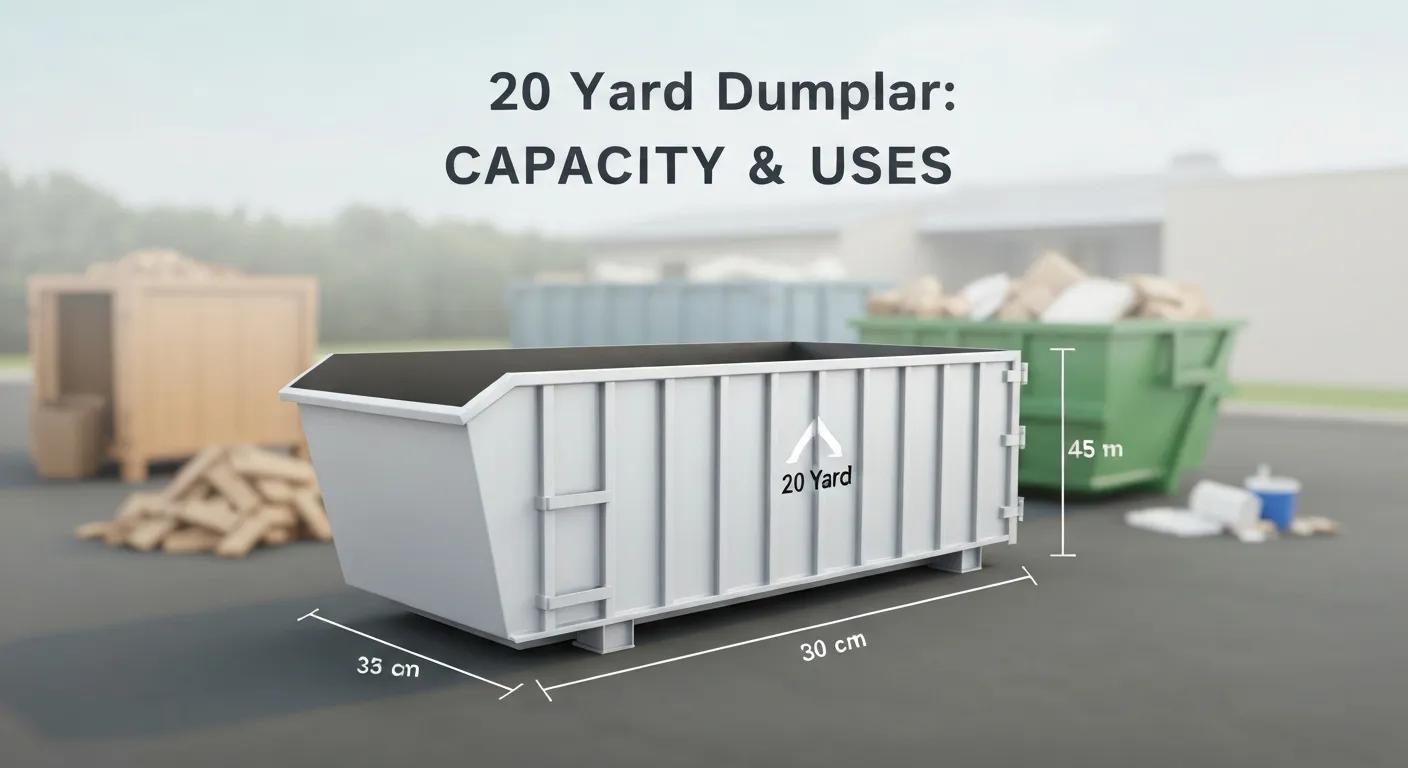
Most 20-yard roll-off dumpsters are about 22 feet long, 7.5–8 feet wide, and 3.5–6 feet high depending on the sidewall height and model. Length and width determine whether the bin fits on a driveway or must go curbside, while height controls how much bulky furniture or stacked items you can load without overhang. Vendors offer variations—lower profiles, taller walls, or drop gates—to balance capacity and loading convenience. Confirming the footprint early saves placement headaches on delivery day.
What Is the Weight Limit of a 20 Yard Dumpster?
Weight allowances for a 20-yard dumpster typically fall around 2 to 4 tons; the exact allowance depends on your rental company and disposal rates. Weight matters because dense materials—concrete, soil, asphalt—use up tonnage much faster than volume-based items. Most providers charge a base rental plus a per-ton disposal fee, so separating heavy inert materials into their own container can prevent costly overages. Estimating material densities and checking with your hauler before loading reduces surprises at pickup.
Before the specification table below, here’s a short explanation: the table shows common physical measurements and typical weight allowances so you can compare model differences and plan placement.
This quick specs table shows how physical size and allowable weight work together when choosing a 20-yard dumpster. Use these figures to decide whether your debris mix will fit typical limits or if you need a different setup.
What Materials Can You Put in a 20 Yard Dumpster?
A 20-yard dumpster accepts most non-hazardous household, construction, and yard materials when they’re prepared and loaded correctly. Grouping waste into household junk, construction debris, and landscape materials makes planning easier because density and packing differ between categories. Prep work—disassembling furniture, flattening boxes, and bundling branches—fills space more efficiently and reduces voids. Below is a quick overview to help you scan acceptable categories before we dig into specifics.
- Household junk: Furniture, mattresses, carpeting, boxed items, and general clutter.
- Construction and renovation debris: Drywall, framing lumber, cabinets, non-asbestos insulation, and roofing shingles.
- Yard and landscaping waste: Branches, leaves, brush, and small root balls (note: soil and heavy dirt may be restricted).
When heavy materials like soil or concrete dominate the mix, plan for a separate container. The sections below break down common items and prep tips for Brooklyn jobs.
Which Household Junk and Decluttering Items Fit in a 20 Yard Dumpster?
Typical household cleanouts include couches, chairs, mattresses, shelving, boxes, and non-hazardous appliances—items that fill a 20-yard bin efficiently when broken down. Disassemble large pieces, remove legs or bulky parts, and flatten boxes to reduce wasted space. Bagging small items and staging loads near entry points speeds the crew and protects sidewalks and driveways in urban settings. Organizing items by type makes loading smoother and safer.
What Construction and Renovation Debris Are Allowed?
Most renovation debris—drywall, plywood and sheet goods, framing lumber, cabinets, countertops, and shingles—is acceptable, with exceptions for regulated materials such as suspected asbestos or lead-containing components. Heavy items like concrete, dirt, and asphalt should usually be separated to avoid blowing past weight limits. Contractors get the best results when they stack sheet goods flat, bundle scrap lumber, and bag small debris to prevent scatter during transport. Knowing your project’s waste stream helps you choose whether a 20-yard bin will cover the job.
Can You Dispose of Yard Waste and Landscaping Debris?
Branches, brush, leaves, and small vegetation typically fit in a 20-yard dumpster, but soil, sod, and large stumps are heavy and can eat through the weight allowance. Cut branches into manageable lengths and shake loose soil from root balls to reduce weight and improve stacking. For large landscaping projects, separate woody debris from bulk soil—either with separate containers or specialty haulers—to prevent overage charges. Brooklyn residents may also use local yard-waste programs or transfer stations for compostable material, which can be cheaper than mixed disposal.
What Items Are Prohibited in a 20 Yard Dumpster and How to Dispose of Them?
Standard roll-off dumpsters do not accept hazardous, toxic, or regulated items because of worker safety and environmental rules. Prohibited materials include liquid solvents, paint, pesticides, asbestos-containing materials, many tires, flammable items, and certain electronics that require special e-waste handling. Keeping these materials out of mixed loads avoids contamination, fines, and costly handling fees. The list below highlights common prohibited items and typical Brooklyn disposal alternatives.
- Household hazardous wastes: Liquid paints, solvents, pesticides—usually handled at municipal hazardous-waste events or through specialized recyclers.
- Electronics and batteries: Must go to e-waste recyclers or certified drop-off points to protect data and avoid toxic landfill leachate.
- Asbestos-containing materials: Require assessment and removal by licensed abatement contractors.
Why Are Hazardous Materials Not Allowed?
Hazardous items are barred from standard dumpsters because they endanger workers, can contaminate loads, and may release harmful substances during transport. Regulations often mandate special packaging, tracking, and treatment for these wastes—processes standard disposal channels can’t provide. Improper disposal can lead to fines for the generator and sometimes forces the hauler to handle the entire load as hazardous. Separating regulated materials before pickup protects people and prevents costly problems.
How Should Electronics, Batteries, and Appliances Be Disposed of in Brooklyn?
Route electronics and batteries to certified e-waste recyclers or municipal collection events to keep toxic materials out of landfills and comply with local rules. Before dropping off devices, remove personal data and secure removable batteries. Appliances should be cleared of refrigerants like freon by a certified technician before recycling. Brooklyn residents can use borough collection programs, municipal drop-off sites, or certified recyclers for large appliances—check local sanitation resources for current schedules and accepted items. Proper handling lowers liability and supports local recycling goals.
What Are the Restrictions on Heavy Debris Like Dirt and Concrete?
Dirt, concrete, asphalt, and other dense materials are priced by weight because a small volume can use most of a container’s tonnage. Mixing these into a general load can trigger steep overage fees or require a dedicated heavy-load container. Options include hiring specialty haulers, renting a separate roll-off for heavy inert material, or taking clean concrete/asphalt to recycling centers for crushing and reuse. Planning for heavy debris before delivery—estimating volumes and separating materials—keeps projects on budget and on schedule.
What Are the Most Common Projects That Use a 20 Yard Dumpster?
Common uses for a 20-yard dumpster include whole-house cleanouts, moderate remodels (kitchen or bathroom), basement clear-outs, small roofing jobs, and landscaping that produces mostly bulky but not extremely heavy waste. The size strikes a practical balance when volume—not high density—dominates. In Brooklyn, narrow alleys, driveway access, and parking rules make a 20-yard bin a sensible compromise between capacity and footprint. The lists below summarize typical project types and debris mixes to help you match scale to container size.
- Home cleanouts: Furniture, carpeting, boxed household items—mainly volumetric loads.
- Kitchen/bath remodels: Cabinets, countertops, drywall—mixed volume with moderate weight.
- Roofing and landscaping: Shingles and yard waste—bulky but generally light per cubic foot.
How Is a 20 Yard Dumpster Ideal for Home Cleanouts and Decluttering?
For multi-room decluttering or estate cleanouts, a 20-yard dumpster gives substantial volume while remaining manageable for urban placement. Stage items near entrances, break down large furniture, and group similar items so loaders can work quickly and stack efficiently. In apartment buildings and brownstones, coordinate timing with building managers and protect floors and walkways with pads. Smart staging saves loading time and reduces labor costs tied to multiple truck trips.
Why Choose a 20 Yard Dumpster for Kitchen, Bathroom, and Basement Remodels?
Kitchen, bathroom, and basement remodels produce bulky cabinetry, tile, drywall, and fixtures that fit well in a 20-yard dumpster when debris is prepped and sorted. Pulling metal fixtures and appliances out for recycling lowers disposal costs, and breaking down cabinets and countertops increases usable space. For basements, confirm truck access and stage removed items near an exterior door to ease movement. Separating hazardous materials—old paints or solvents—keeps the main bin compliant.
How Does a 20 Yard Dumpster Support Roofing and Landscaping Projects?
Roofing jobs often use 20-yard dumpsters for shingle removal and underlayment tear-out when weight is moderate. Put protective boards under the bin to avoid damaging lawns or driveways and to make pickup safer. For landscaping, keep stumps and large root masses out unless your hauler explicitly permits heavy loads—otherwise arrange separate hauling for dense organic or inorganic matter. Coordinate delivery timing with crew availability and weather to keep materials from blowing into the street.
How to Maximize Your 20 Yard Dumpster Rental: Loading Tips and Best Practices
Loading a 20-yard dumpster efficiently boosts usable capacity, lowers the risk of overage fees, and speeds job completion. Start by placing flat, heavy items on the bottom and lining the floor with sheet goods and flattened boxes, then stack lighter bulky items on top to avoid voids. Disassemble furniture, cut long pieces to fit, and use soft materials to fill gaps—those steps increase usable space without adding weight. Always prioritize safety: wear gloves, secure heavy items, and don’t stand on unstable piles. Below are stepwise loading tips to follow on most jobs.
- Flat-first loading: Place sheet goods, drywall, and flattened boxes on the bottom to form a stable base.
- Stack heavy items low: Keep dense items near the floor and centered to stabilize the load.
- Fill gaps with soft materials: Use bags of insulation, clothing, or loose trash to close voids and prevent shifting.
- Disassemble and cut: Break down furniture and long items to save vertical space and avoid overhang.
What Are the Best Ways to Load a 20 Yard Dumpster Efficiently?
Plan your load sequence: sheet goods and flat materials first, medium-weight items next, and bulky light items on top. A two-person workflow—one feeding materials, one arranging inside—keeps pace and safety. Distribute weight evenly across the floor and keep heavier items toward the center to prevent shifting during transport. For city jobs, use protective barriers and coordinate with your truck operator so placement and removal go smoothly.
How Many Pickup Truck Loads Equal a 20 Yard Dumpster?
One 20-yard dumpster roughly equals 8–12 pickup-truck loads depending on bed size and how fully each truck is packed. A fully loaded standard pickup bed of bulky household items might represent about one-sixth to one-eighth of a 20-yard bin; loose branches or light debris change that ratio. Project type affects the estimate—kitchen cabinets pack differently than a yard clearance of branches. Use this rule-of-thumb to decide whether renting a dumpster is more efficient than multiple truck trips.
What Are the Rental Costs and Permit Requirements for a 20 Yard Dumpster in Brooklyn?
Costs for a 20-yard dumpster in Brooklyn vary by provider and depend on the base rental, included weight allowance, disposal fees, and any permits needed for street placement. Typical cost components include a delivery/pickup fee, an included tonnage, per-ton overage charges, and municipal permit fees when the dumpster sits curbside. Placing a bin on private property usually avoids street permits but still requires safe access. The table below outlines common cost parts and typical Brooklyn ranges so you can budget more accurately.
This cost summary highlights the variables that influence your final bill; contacting a local provider with project details gets you the most accurate quote. In Brooklyn, delivery logistics and permit help often determine the final price.
Brooklyn Dumpster Rental provides 20-yard roll-off dumpsters for residential, commercial, and construction needs across Brooklyn, with fast delivery, timely pickup, and help navigating local permit rules. We offer multiple sizes (10, 20, 30, and 40 yards) and can advise on weight allowances and separating heavy materials to avoid overage fees. To get a project estimate or schedule delivery, call Brooklyn Dumpster Rental at 718-690-3035 for a custom quote and permit support.
With costs and permits in mind, you should be able to plan placement and avoid billing surprises by estimating tonnage and choosing safe placement options.
BudgetDumpster — 20-yard size guide
Frequently Asked Questions
A 20-yard dumpster handles moderate amounts of debris—old furniture, drywall, appliances—while keeping a relatively small footprint, which is ideal for city jobs. It simplifies cleanup, reduces trips to the landfill, and can save time and labor costs during a renovation.
Pick a size based on the type and volume of waste you’ll generate. For small-to-medium renovations, a 20-yard unit often fits the bill. When unsure, talk to a rental provider who can estimate needs from your project details and recommend the best size.
Yes—placing a dumpster curbside usually requires a street permit in Brooklyn. Check municipal rules for permit types and timing, and make sure the bin won’t block traffic or pedestrian access. Coordinate delivery and pickup times with your provider to minimize disruption.
If you’re disposing of heavy materials like concrete, dirt, or asphalt, plan ahead. These items can push you past weight limits quickly. Consider a separate container for heavy debris, hire a specialty hauler, or take the material to a recycling center to avoid overage fees.
Yes. A 20-yard dumpster works well for many commercial projects—office cleanouts, small renovations, and light construction sites. Communicate your project’s needs to the rental company so they can suggest the right size and compliance steps.
Separate recyclables from general waste whenever possible to reduce landfill impact. Many rental companies offer recycling options or can direct you to local facilities for specific materials. Also, handle hazardous waste properly to protect the environment and follow regulations.
Estimate your material weights ahead of time and avoid mixing heavy materials with lighter ones. Break down large items and prep waste to maximize space without adding weight. If you’re unsure, consult your dumpster rental company for guidance to avoid overage fees.
Conclusion
A 20-yard dumpster is a reliable, versatile choice for many Brooklyn jobs—from home cleanouts to moderate remodels—when you understand its specs and weight limits. Preparing and separating materials, estimating tonnage, and getting help with permits makes the process smoother and helps avoid surprise fees. If you want a hassle-free rental, reach out to local providers for logistics and permit help and start your project with confidence.